
Why Protein Powders Aren’t Always the Answer (And What Actually Works)

Why Protein Powders Aren’t Always the Answer (And What Actually Works)
For many of us on the journey to health and weight loss, protein powders have become the go-to solution. They’re easy, convenient, and claim to help us build muscle, lose fat, and feel fuller longer. But what if I told you that the belief in protein powders as a magic bullet is overhyped? And what if I suggested that there are far better, more natural ways to fuel your body? Let’s dive into why protein powders aren’t always the answer and explore what truly works for effective weight loss.
The Protein Powder Dilemma
Before we delve into alternatives, let’s understand why protein powders have become such a staple. They promise convenience and a concentrated source of protein, essential for muscle repair and growth. Yet, despite their benefits, these powders aren’t without drawbacks. According to a report by Consumer Reports, many protein powders, including some popular brands, were found to contain heavy metals, including lead and arsenic. This is a startling revelation that should make anyone reconsider their daily scoop.
Moreover, many protein powders are packed with artificial sweeteners, flavors, and additives that can negatively impact your health. These ingredients can cause digestive issues and contribute to inflammation, counteracting your weight loss efforts. So, is there a better way to get your protein fix?
Whole Foods: The Natural Solution
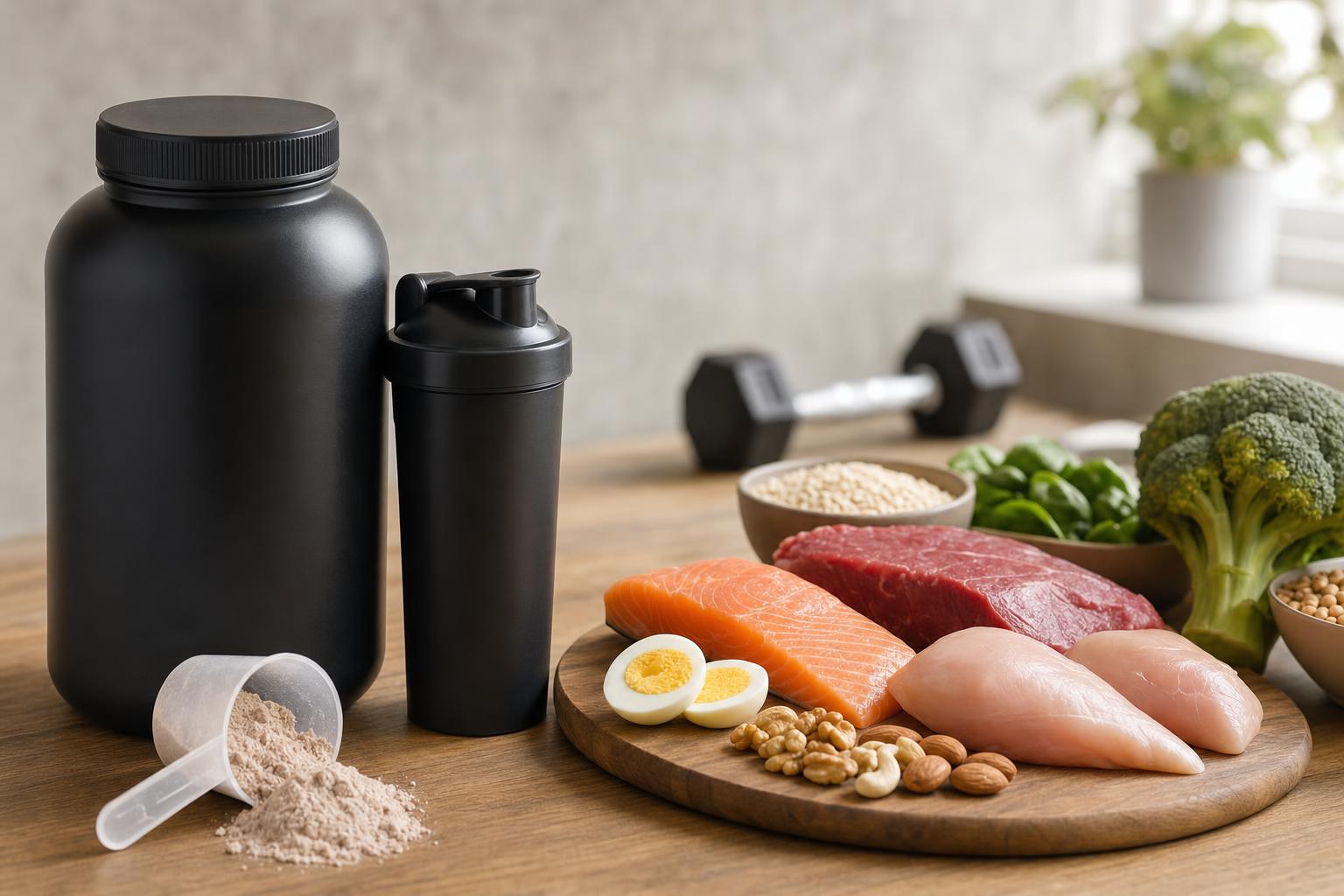
Replacing protein powders with whole food sources is a simple yet effective strategy. Foods rich in protein provide additional nutrients that powders lack. Here are some naturally high-protein foods to consider:
- Greek Yogurt: Packed with probiotics and calcium, a cup of Greek yogurt can provide up to 20 grams of protein.
- Cottage Cheese: This versatile cheese serves as a great base for smoothies and snacks, offering around 14 grams of protein per half-cup.
- Eggs: A single large egg contains about 6 grams of protein and is an excellent source of healthy fats and vitamins.
- Nuts and Seeds: Almonds, chia seeds, and hemp seeds are fantastic additions to any smoothie, boosting both protein and fiber.
- Lean Meats: Chicken and turkey are obvious choices, but don’t forget about fish like salmon, which is rich in omega-3s.
- Tofu and Tempeh: Excellent plant-based options that can add a substantial protein boost to your diet.
Why Whole Foods Work Better
Whole foods aren’t just about protein content. They come packaged with essential vitamins, minerals, antioxidants, and, just as importantly, fiber. Fiber is the unsung hero of weight loss, promoting satiety and stabilizing blood sugar levels. A study published in the Journal of Nutrition found that increasing dietary fiber can lead to significant reductions in belly fat.
For instance, a high-protein smoothie made with Greek yogurt, spinach, a banana, and a tablespoon of almond butter provides a balanced mix of macronutrients along with micronutrients that protein powder alone can’t offer.
The Real Culprit Behind Weight Struggles
It’s easy to blame lack of protein for weight issues, but the reality is often more complex. Processed foods, stress, lack of sleep, and insufficient water intake frequently play more significant roles. By focusing on these factors alongside your protein intake, you’re more likely to see sustainable results.
Crafting the Perfect High-Protein Smoothie
If you’re a smoothie enthusiast, here’s a formula to create a nutritious, protein-rich drink without resorting to powders:
- Liquid Base: Opt for unsweetened almond milk, coconut water, or plain water.
- Protein Source: Choose from Greek yogurt, cottage cheese, or silken tofu.
- Fruits and Vegetables: Incorporate a handful of spinach, kale, or berries.
- Healthy Fats: Add a tablespoon of nut butter or a quarter of an avocado.
- Fiber Boost: Include chia seeds or ground flaxseeds.
- Natural Sweetener: Use a ripe banana or a teaspoon of honey if needed.
Blend these ingredients for a nutrient-dense smoothie that will keep you full and energized without the need for processed powders.
Natural Product Mention
If you’re looking for a convenient way to incorporate more whole foods into your smoothies, consider investing in a high-quality blender that can handle everything from frozen fruits to leafy greens. The Vitamix is an excellent choice, renowned for its durability and performance.
Smoothie Essentials Worth Buying
Disclosure: This post contains affiliate links. We may earn a commission at no extra cost to you.
